

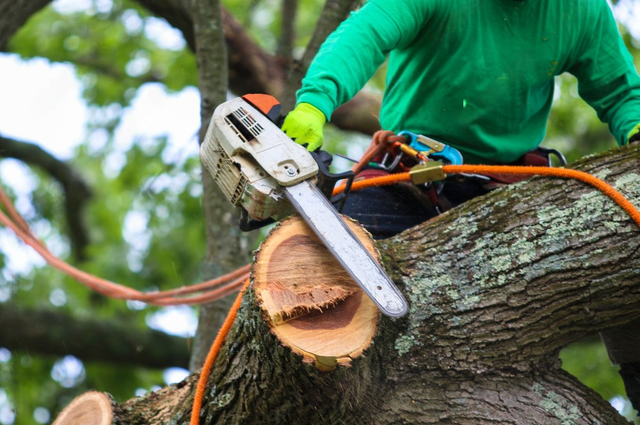
I’ve spent most of my career studying and working with native and cultivated plants across the southern U.S., and sweet violet has followed me through more projects than I ever expected. I first paid serious attention to it while consulting on a property restoration job where ornamental plantings had been neglected for years. The client was focused on removing overgrowth and managing mature trees, and while coordinating with local crews—one of which I found while reviewing regional service providers like https://treeserviceshreveportla.com—I noticed sweet violet quietly reclaiming shaded ground that nothing else seemed to tolerate. That moment reshaped how I think about this plant.
In my experience, sweet violet thrives where people stop trying to control every variable. I’ve seen homeowners fail with it repeatedly because they overwater, over-fertilize, or keep relocating it in search of faster blooms. One spring, I worked with a client who insisted the plant was “dying” because it wasn’t flowering aggressively. The soil was rich, the shade was perfect, but the plant was being disturbed every few weeks. Once we left it alone, blooms appeared naturally the following season without intervention.
What many people don’t realize is how closely sweet violet responds to what’s happening above ground. On a site where mature trees had recently been removed, the violets that once spread easily began to struggle. Increased sunlight dried the soil faster and altered the microclimate. That wasn’t a failure of the plant—it was a change in conditions. I usually advise against planting sweet violet in areas that are likely to undergo tree thinning or removal soon. It prefers stability, not sudden exposure.
Another misconception I see often is treating sweet violet as fragile. I’ve watched it survive late cold snaps, compacted soil, and periods of neglect better than many supposedly tougher ground covers. A few years back, after heavy equipment traffic damaged part of a site, the violets were the first to return. Their root systems may not look impressive, but they’re efficient and persistent in ways that reward patience.
From a professional standpoint, I recommend sweet violet for people who want subtlety rather than showmanship. It’s not a plant that announces itself loudly. It works best when allowed to exist as part of a larger ecological picture—beneath trees, along shaded edges, or in areas where mowing and constant reshaping aren’t priorities. I’ve seen it fail most often in highly manicured spaces where uniformity matters more than adaptability.
Working with sweet violet over the years has reminded me that not every plant is meant to perform on demand. Some are meant to settle in, respond slowly, and define a space quietly over time. When its needs are understood—and not overmanaged—it tends to do exactly what it’s always done best: endure, spread gently, and bring a sense of calm to the spaces it inhabits.